

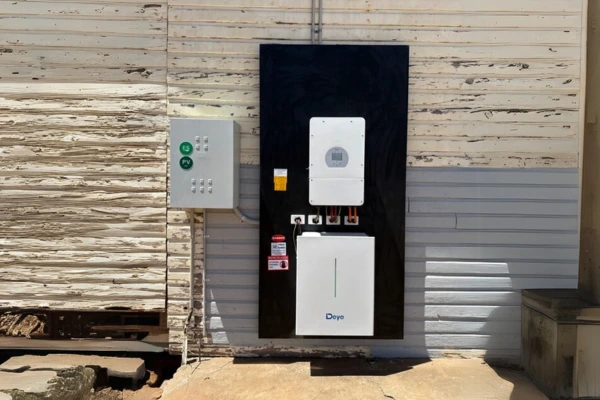
If you have solar on the roof, or you are looking at a new solar and battery setup, one question comes up pretty quickly, what size solar battery do I need?
The honest answer is that it depends on how your home uses power. A family home running air-conditioning most evenings will need a different battery to a smaller household that uses most of its power during the day. A property wanting backup during outages will also need a different setup to someone who simply wants to use more of their own solar at night.
For many Queensland homes, a battery around 10 kWh to 15 kWh is a practical starting point. Smaller homes may suit 5–10 kWh, while larger homes with pools, ducted air-con, sheds or EV charging may need 15 kWh or more.
At Bright Spark Group, we do not size batteries by guesswork. We look at your power bills, solar production, roof setup, switchboard, backup needs and how your household actually uses energy. If you want a rough starting point, our solar battery size calculator can help before we take a proper look at the property.
Why the right solar battery size matters
A solar battery stores extra solar power during the day so you can use it later, usually in the evening, overnight or during a blackout if backup has been designed into the system.
When the battery is too small, you can run out of stored power early and still pull more from the grid than expected. When it is too large, you may pay for battery capacity your solar system does not fill often enough.
A well-sized battery helps you:
- use more of the solar your roof already makes
- reduce how much power you buy back at night
- keep important circuits running during some outages, if backup is included
- avoid paying for storage you will not use properly
- set up your home for Queensland heat, storms and daily power demand
The aim is not to install the biggest battery possible. The aim is to install the battery that actually suits the home.
Start with your night-time power use
A lot of people look at their total daily power use first. That helps, but it is not the full picture.
For most homes, the better question is: how much power do you use when the sun is not on the panels?
If your home uses 24 kWh a day, but only 10–12 kWh of that is used after sunset, a 10–13.5 kWh battery may be enough. A bigger battery might sound better, but it may not be needed unless you have higher night loads or want more backup capacity.
Here is a simple guide we use as a starting point:
| Daily household usage | Common home situation | Battery size to consider |
| 8–12 kWh/day | Smaller home, couple, low night use | 5–8 kWh |
| 12–18 kWh/day | Small family, normal appliances | 8–10 kWh |
| 18–25 kWh/day | Family home, regular evening air-con | 10–13.5 kWh |
| 25–35 kWh/day | Larger home, pool, heavier cooling | 13.5–16 kWh |
| 35 kWh+/day | Large home, EV, shed or high night load | 16 kWh+ or staged battery setup |
This table is only a guide. Solar battery sizing changes once we check the real usage, the existing solar system, inverter capacity, roof space and how the home is wired.
Check what your power bill is telling you
Your power bill should show your average daily usage in kWh. That is a good place to start, but we also want to know when the power is being used.
When we size a battery, we usually look at:
- average daily usage
- evening and overnight usage
- how much solar is being exported to the grid
- whether anyone is home during the day
- air-conditioning use in summer
- pool pump timing
- electric hot water
- plans for an EV, shed, workshop or home office
Queensland homes are not all the same. A home in Ipswich running ducted air-conditioning through summer will use power differently to a Brisbane townhouse where most appliances run during the day. That is why a proper battery recommendation should be based on the property, not just a quick number from a chart.
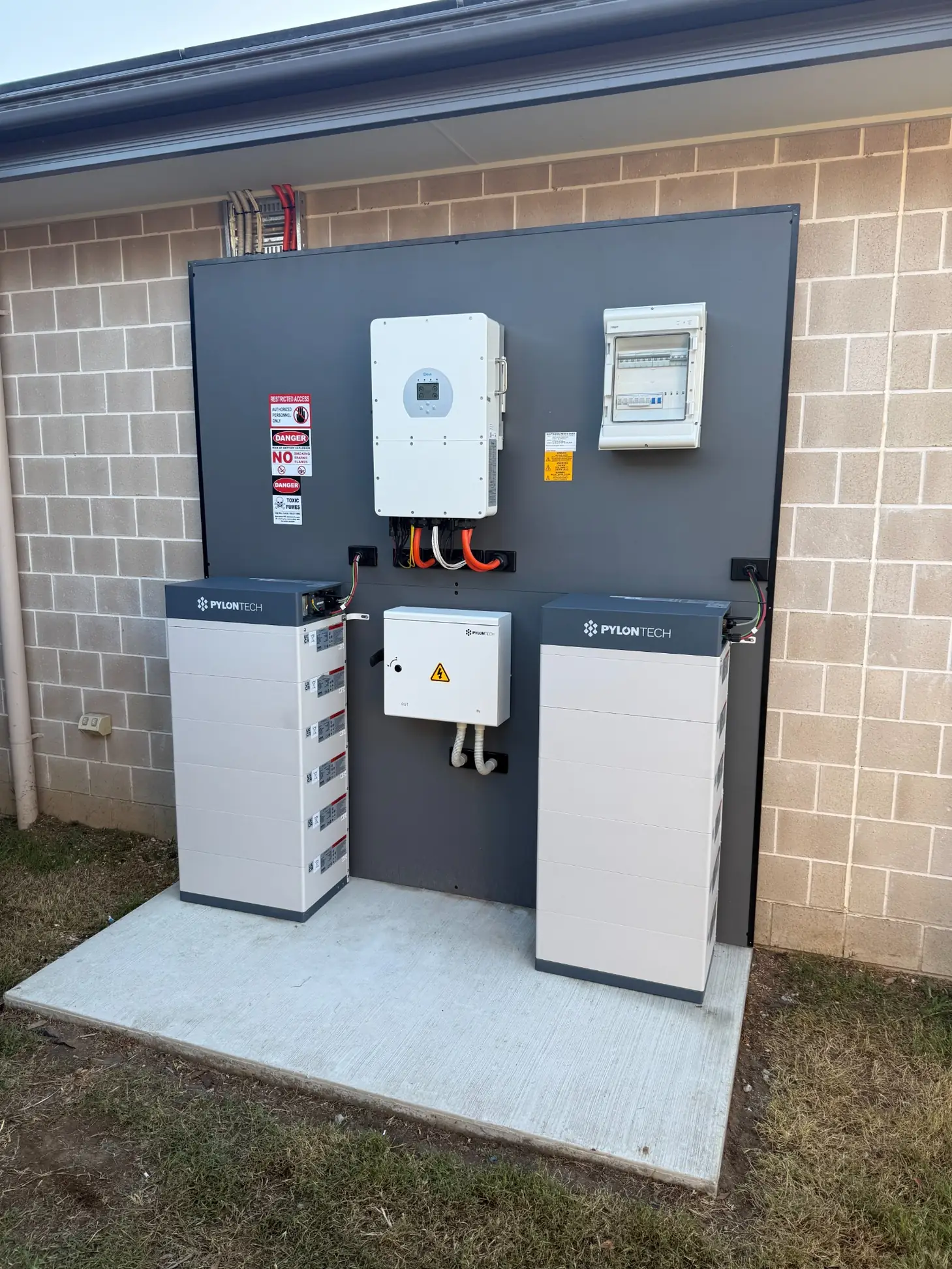
Think about feed-in tariffs and using more of your own solar
One of the main reasons homeowners look at batteries is because they are sending solar back to the grid during the day, then buying power back at night.
In many cases, the feed-in tariff is lower than the cost of buying electricity later. That can make a battery worth considering, especially if your home has steady evening power use.
The Australian Government’s home battery guidance gives homeowners a helpful overview of battery cost, payback, safety and expected benefits. It is worth reading if you are still weighing up whether storage makes sense for your place.
The main point is simple: a battery should help you keep more useful solar power on site. It should not be chosen just because the number on the box looks good.
Decide whether backup power matters
This is where a lot of people get caught out. Not every solar battery keeps the house running when the grid goes down.
Backup has to be designed into the system. Depending on the battery, inverter and switchboard setup, backup may only cover selected circuits.
Before choosing a battery, think about what you would actually want running during an outage:
- fridge and freezer
- lights
- internet
- garage door
- selected power points
- medical equipment
- essential air-conditioning, if the system can support it
If backup is important, it needs to be discussed early. It can affect the battery size, inverter choice, wiring, switchboard work and the final system design. Our solar battery installation team can check what is realistic and safe for your home.
Do not compare batteries by headline size only
Two batteries listed as similar sizes may not perform the same way in a real home.
You need to look at usable capacity, output, warranty, backup capability, inverter compatibility and where the battery can be installed safely. A battery may be promoted as a certain size, but the usable amount can be different.
We also check the practical details on site, including:
- switchboard condition
- inverter compatibility
- battery location
- clearance and ventilation
- exposure to weather
- backup circuit requirements
- future expansion options
The Clean Energy Council’s approved battery list is a useful reference when checking whether a battery meets Australian requirements.
This is the part that matters on the ground. A battery needs to fit the property, the electrical setup and the way the customer expects to use it.
Keep rebates in perspective
Rebates can make a battery more affordable, but they should not be the only reason you choose a certain size.
If you are planning a system now, check the latest solar battery rebate changes before locking anything in. Rebate rules, timing and eligibility can affect the numbers.
Even with a rebate, the basics still matter. The battery needs to be sized properly, installed cleanly and set up safely so it performs over the long term.
So, how big a battery do you need?
As a rough guide:
- Small home with low night use: 5–8 kWh
- Average family home: 10–13.5 kWh
- Larger home with heavier evening use: 13.5–16 kWh
- Large home, EV, shed or stronger backup needs: 16 kWh+ or a staged setup
The best answer comes from your own power data. Your bills, solar exports, smart meter information and future plans will tell us far more than a generic estimate.
A good solar battery sizing guide should help you understand the basics, but the final battery size should be matched to the home.
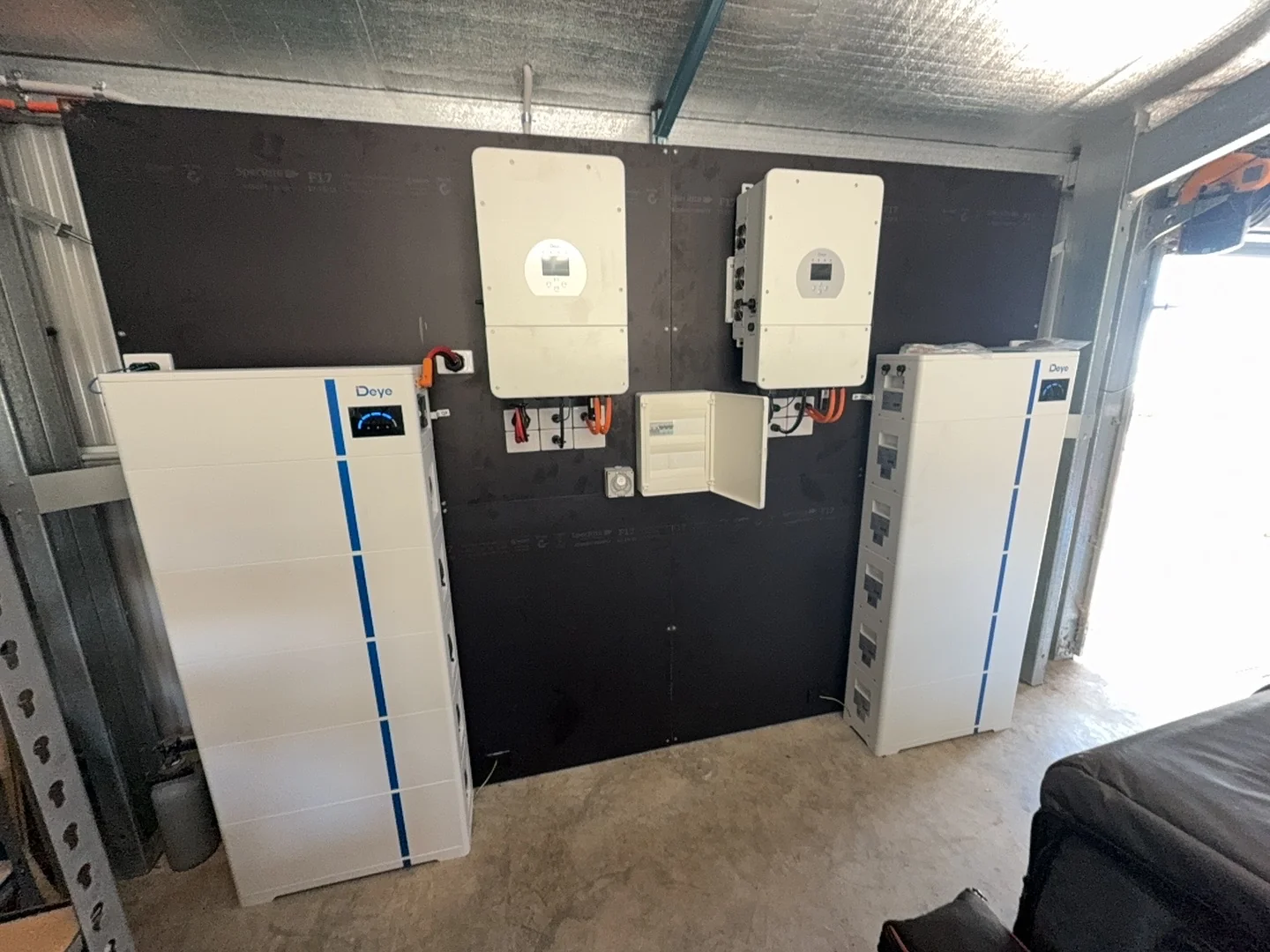
Get your battery size checked properly
If you are unsure how big a battery you need, Bright Spark Group can help you work it out properly.
We will look at your usage, solar setup, backup needs and property layout before recommending a practical battery size. No hard sell. Just clear advice and a setup designed to do the job properly.
Need it sorted? Contact Bright Spark Group or call the team on 1300 773 766 to ask us about solar and battery options for your Queensland home.
FAQs
Many Queensland family homes suit a 10–13.5 kWh battery, but it depends on night-time usage, air-conditioning, solar export and whether backup power is needed.
It can be enough for a moderate household with sensible night usage. Heavy air-conditioning, pool pumps, EV charging or electric hot water can drain a 10 kWh battery faster.
Yes. If the solar system cannot fill the battery regularly, or the home does not use enough stored power, the extra capacity may not be worth the cost.
A solar battery size calculator is useful for a rough estimate. A proper recommendation should still include your bills, solar system size, inverter, switchboard and site conditions.
Not always. A battery is worth considering if you export a lot of solar during the day and buy power back at night. If most of your power use happens while the sun is out, the benefit may be smaller.