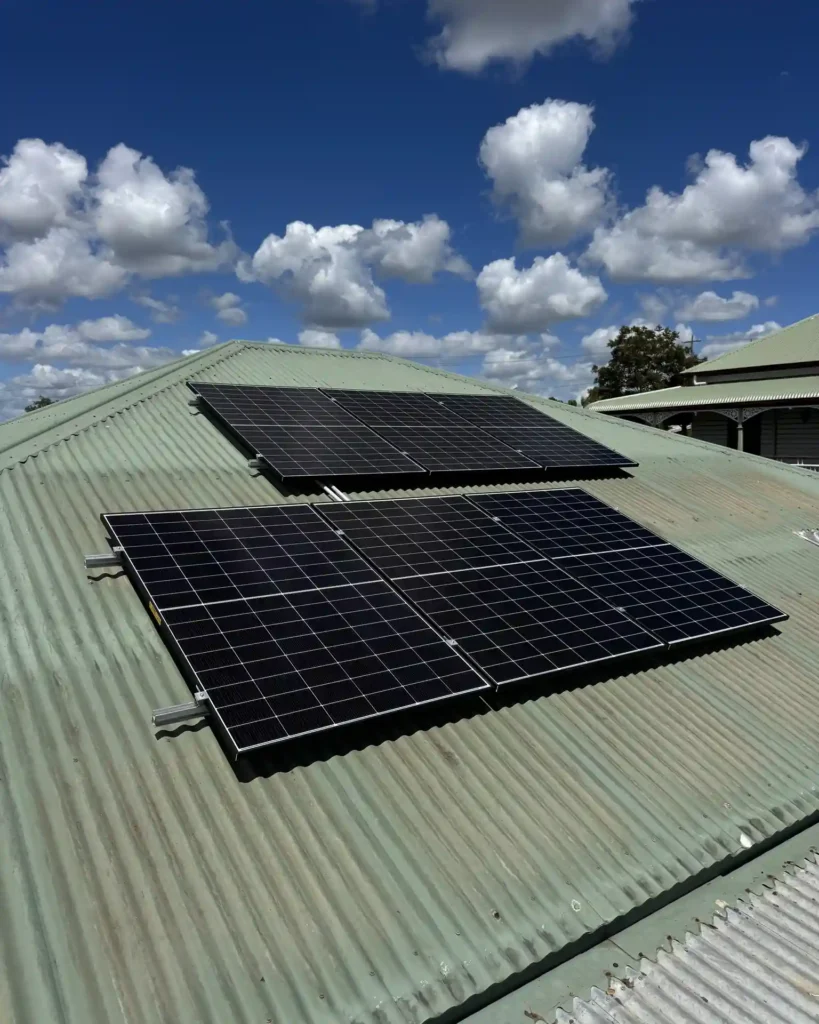
If your solar is not producing the way it should, it does not always mean something major has gone wrong. In most homes and businesses we visit across Ipswich, Brisbane and South East Queensland, the cause turns out to be something specific, dirty panels, new shading, an inverter fault, a monitoring dropout, damaged wiring, or a system that has just aged and needs a proper look.
At Bright Spark Group, we work on solar, battery and electrical systems right across Queensland. If your power bills have crept up, your monitoring app looks off, or your inverter is showing a warning, our solar team can check the system, work out what is going on, and give you a straight answer on what it needs.
Common Reasons Your Solar System Is Not Producing Enough Power
Solar output will shift day to day with cloud cover, storms and the time of year. But if production has dropped and stayed low over a week or more, it is worth digging into. The most common causes we see include:
- Dirty panels blocking sunlight
- New shading from trees, aerials, roof additions or nearby buildings
- Solar panel inverter problems
- Faults in isolators, cabling or connections
- Monitoring app or Wi-Fi dropouts
- Panels ageing or underperforming
- Storm, heat or water damage
- A system that was not sized properly for the property
Some of these are simple to confirm from the ground or through your app. Others need a licensed solar electrician to check properly, especially anything involving wiring, inverter faults or roof access.
Start With Your Monitoring App And Inverter
If you are asking why your solar is not working, the inverter and monitoring app are good places to start. Check whether the system is producing during daylight hours, whether the app has stopped updating, and whether any fault codes are showing.
A few things to look for:
- Is the inverter display on?
- Are there red or warning lights?
- Has the app stopped recording data?
- Is today’s output lower than a similar sunny day last week?
- Has your Wi-Fi recently changed or dropped out?
Sometimes the system is still producing normally, but the app has stopped receiving data. Other times, what looks like a monitoring issue is actually the first sign of a deeper fault.
The government’s guide to checking solar system performance is a useful reference for homeowners who want to keep an eye on output without overcomplicating it.
Dirty Panels And Shading Can Cut Output
Queensland roofs deal with a lot: dust, storms, leaves, bird mess, coastal air, smoke haze and general grime. When that build-up sits across the panels, less sunlight reaches the cells and production drops. It can happen gradually, which is why some people do not notice until they check the bill or the app.
Shading matters just as much. A small patch of shade in the wrong spot can affect more than one panel depending on how the system is wired. We often check for changes around the property when we visit, including:
- Trees that have grown taller since the system was installed
- New shade from a neighbouring structure or extension
- Leaves or debris sitting under or around panels
- Panels no longer getting full sun during the peak part of the day
If your panels look dirty or output has been dropping slowly, our solar panel cleaning service covers safe access, proper cleaning and the checks that go with it.
Inverter Faults Need Proper Attention
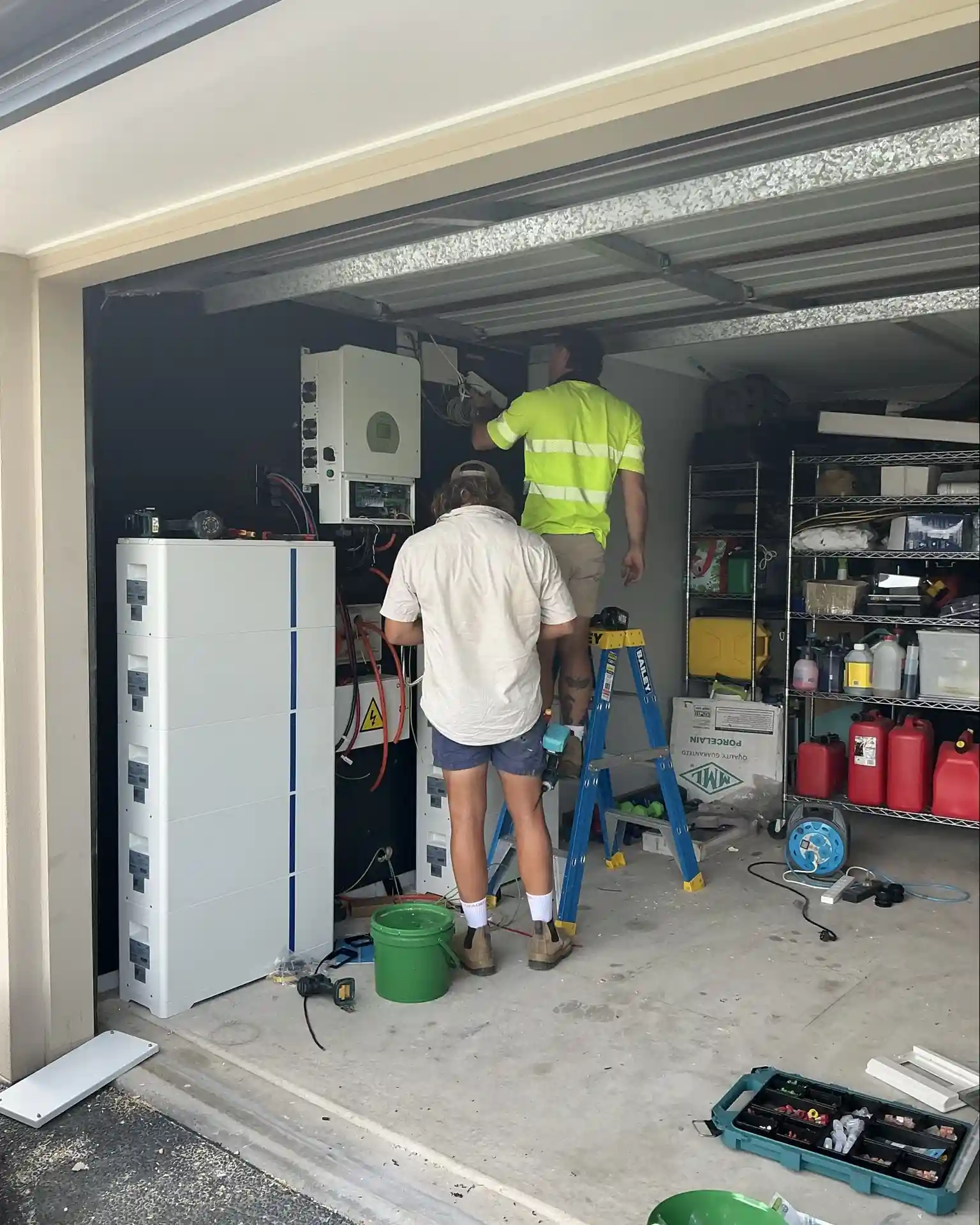
The inverter converts solar energy into usable power for your home or business. When it has a fault, the whole system can underperform or stop producing altogether.
Common signs of an inverter issue include:
- Error codes on the screen
- A blank or unresponsive display
- Repeated shutdowns throughout the day
- Unusual clicking or buzzing
- Output dropping even in strong sunlight
- Monitoring data showing gaps or flat lines during daylight hours
Do not open the inverter or any electrical components yourself. Solar systems can stay energised even when the mains power is off, and repairs need to be handled by a qualified professional.
The Queensland Electrical Safety Office is clear that solar PV systems need regular inspection and maintenance to operate safely and efficiently, and that electrical work must not be done by unlicensed people.
Could It Be A Wiring, Isolator Or Panel Fault?
If the inverter and monitoring data point to something wrong with the system, the next step is proper testing. Loose connections, faulty isolators, damaged cabling, water ingress and individual panel faults can all affect how much power the system puts out.
This is where experience matters. We do not call it from the driveway. A proper inspection looks at the system layout, inverter data, roof conditions, wiring, safety components and how the system is actually performing against what it should be doing.
Our solar problems and solutions guide covers the bigger fault patterns homeowners often pick up on before they book a check.
What You Can Safely Check Before Calling Us
Before booking a technician, there are a few safe checks you can do from the ground or through your app:
- Compare today’s output with a similarly clear day from last week or last month
- Check whether the inverter is showing any warning lights
- Confirm your monitoring app is still connected to Wi-Fi
- Look for obvious new shading from the ground
- Check your electricity bill for a sudden increase
- Note any storm or hail activity before the issue started
Avoid climbing onto the roof, opening covers, touching isolators, or resetting faults multiple times. If the system is showing an electrical warning, get it looked at properly rather than working around it.
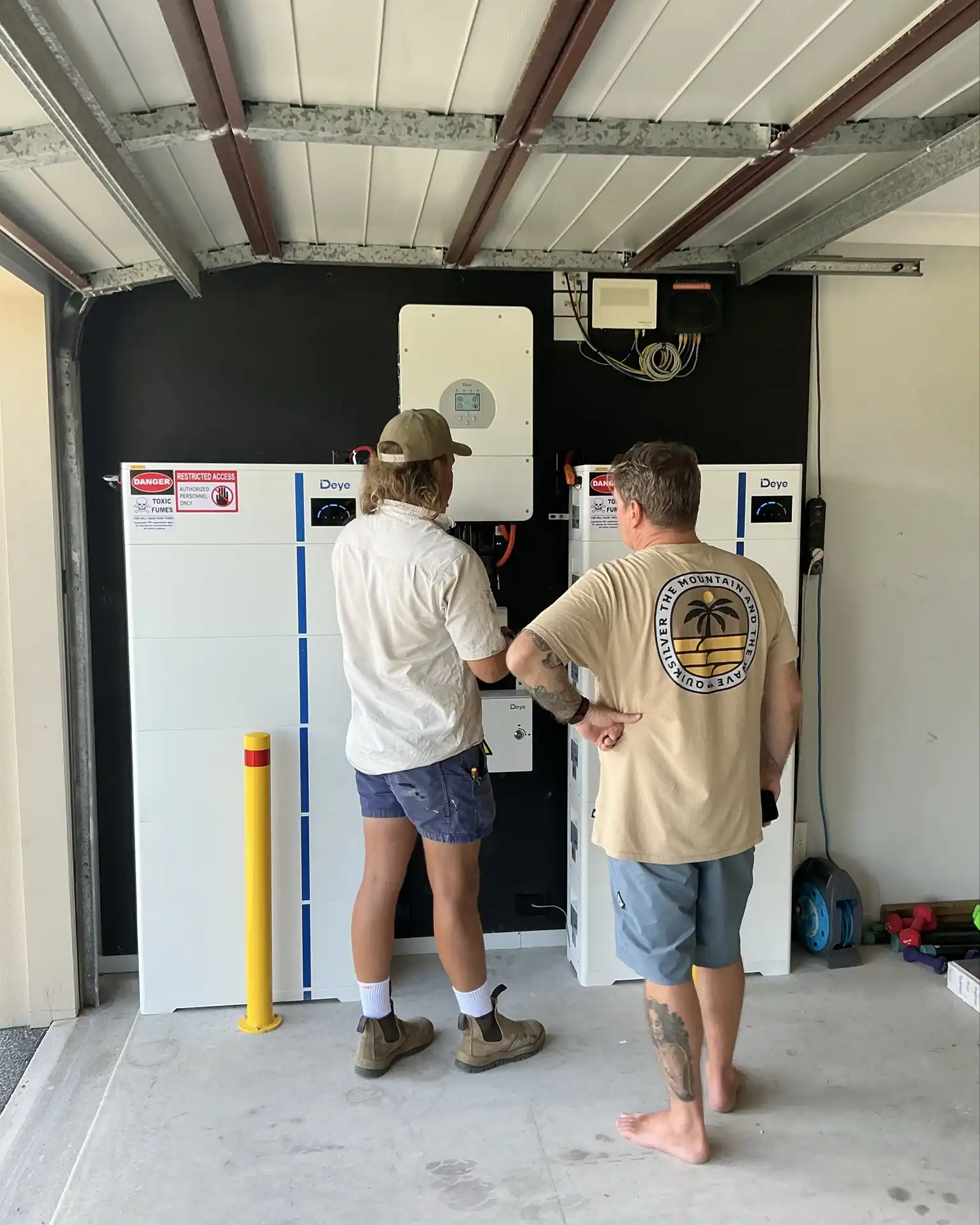
When To Book A Solar Inspection
Book an inspection if your system has stopped producing, output has dropped and stayed low, the inverter is showing errors, or your bills have gone up without a clear reason. You should also get it checked if the system is older, has not been serviced in a while, or has come through a rough patch of weather.
Bright Spark Group can inspect, test and advise on the right next step, whether that is cleaning, servicing, repairs, inverter replacement or a better long-term setup. For homes looking at improving performance or capacity, our solar systems service can help you look at what will actually suit the property.
Need Your Solar System Checked?
If your solar panels are not performing properly, do not wait until the next bill confirms the problem. A proper check can stop a small issue from turning into a bigger repair.
Need it sorted? Contact Bright Spark Group and our team can check your system, explain what is happening, and give you a clear recommendation on the next step.
FAQs
Low output on a clear day usually points to an inverter fault, dirty panels, shading, wiring issues, a monitoring problem or a system fault. If the weather is good and production is still low, get the system checked.
Yes. Dust, grime, leaves and bird mess all block sunlight from reaching the cells. In Queensland conditions, regular cleaning and inspections help keep the system running properly.
Write down the code, take a photo if it is safe to do so, and contact a qualified solar technician. Do not open the inverter or any electrical components yourself.
If the app has stopped updating, check your Wi-Fi connection first. If the inverter is also showing low output or warning lights, the issue is likely with the solar system rather than the monitoring setup.
Call us if your output has dropped, the inverter is showing errors, your bills have increased, or your system has not been checked in a while. We can inspect the system properly and help get it sorted.