
If you are planning solar installation in Ipswich in 2026, the best place to start is with a proper look at your home, your power usage and the conditions your system needs to handle. A solar setup should not be guessed, rushed or sold as a one-size-fits-all package. It should be designed around how your household actually uses power.
At Bright Spark Group, we help local homeowners plan solar installation services that are practical, reliable and built for Queensland conditions.
From panel layout and inverter selection through to batteries, cleaning and maintenance, our goal is simple, clean work, clear advice and a system that performs properly long after installation day.
Why Ipswich homeowners are still choosing solar in 2026
Ipswich homes deal with plenty of sun, rising energy needs and hot Queensland summers. For many households, solar is a practical way to reduce grid reliance and make better use of the power already hitting the roof.
A good solar system can help with:
- reducing daytime electricity use from the grid
- supporting air-conditioning use during hot periods
- preparing the home for battery storage
- improving long-term energy control
- adding value to a well-maintained property
The key is getting the system sized and installed properly from the start. A cheap install that leads to solar power issues, poor output or solar panel inverter problems can cost more in the long run.
What happens before solar installation in Ipswich?
Before we recommend a system, we look at the property properly. Every home is different, and that matters.
We usually consider:
- roof direction, pitch and usable space
- shading from trees, neighbouring homes or roof features
- current electricity usage
- future needs such as batteries, EV charging or air-conditioning
- switchboard condition and electrical safety
- where the inverter and cabling will be installed
This step is where a lot of long-term performance is decided. A clean design can reduce the chance of a solar system fault later and make maintenance easier.
For homeowners still learning the process, the Queensland Government’s home solar starting steps are a useful plain-English guide before choosing an installer.
Choosing the right solar system for your home
A properly designed system should suit your roof, budget and day-to-day usage. Bigger is not always better if the layout, inverter and household demand are not matched properly.
For many Ipswich homes, we look at whether the household uses more power during the day or at night. Daytime use may suit a straightforward solar setup, while higher evening use may make a battery worth considering.
If you are comparing options, our home solar system options page explains how different setups can work for homes and businesses.
Inverters, batteries and why quality matters
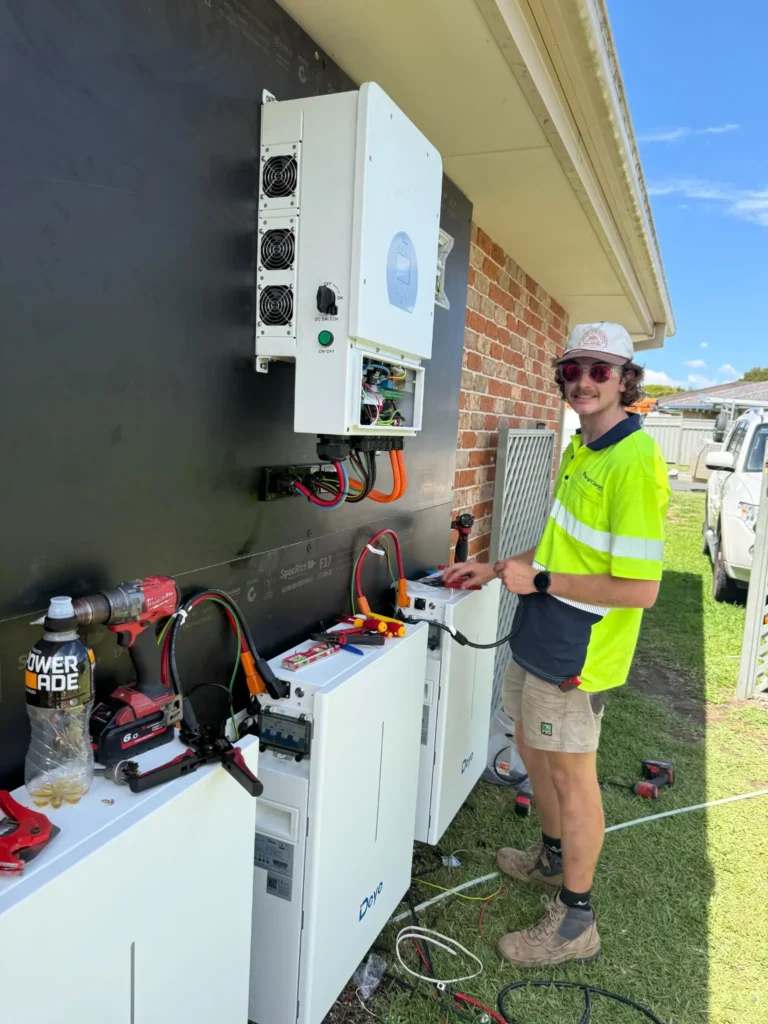
Your inverter is one of the most important parts of the system. It converts the power from your panels into usable electricity for your home. When the inverter is poorly matched, badly installed or showing errors, the whole system can underperform.
We often get calls from homeowners asking, “why is my solar not working?” Common causes include:
- inverter faults or error codes
- tripped isolators or breakers
- damaged wiring
- heavy dirt or debris on panels
- shading that has changed over time
- monitoring issues
- ageing equipment
Approved solar equipment matters because it helps protect safety, compliance and long-term performance. The Clean Energy Council’s approved inverter checks can help homeowners understand why compliant components are important.
If you want to store more of your daytime solar power for night use or backup, our solar battery storage options can help you understand what size and setup may suit your home.
How long does solar installation take?
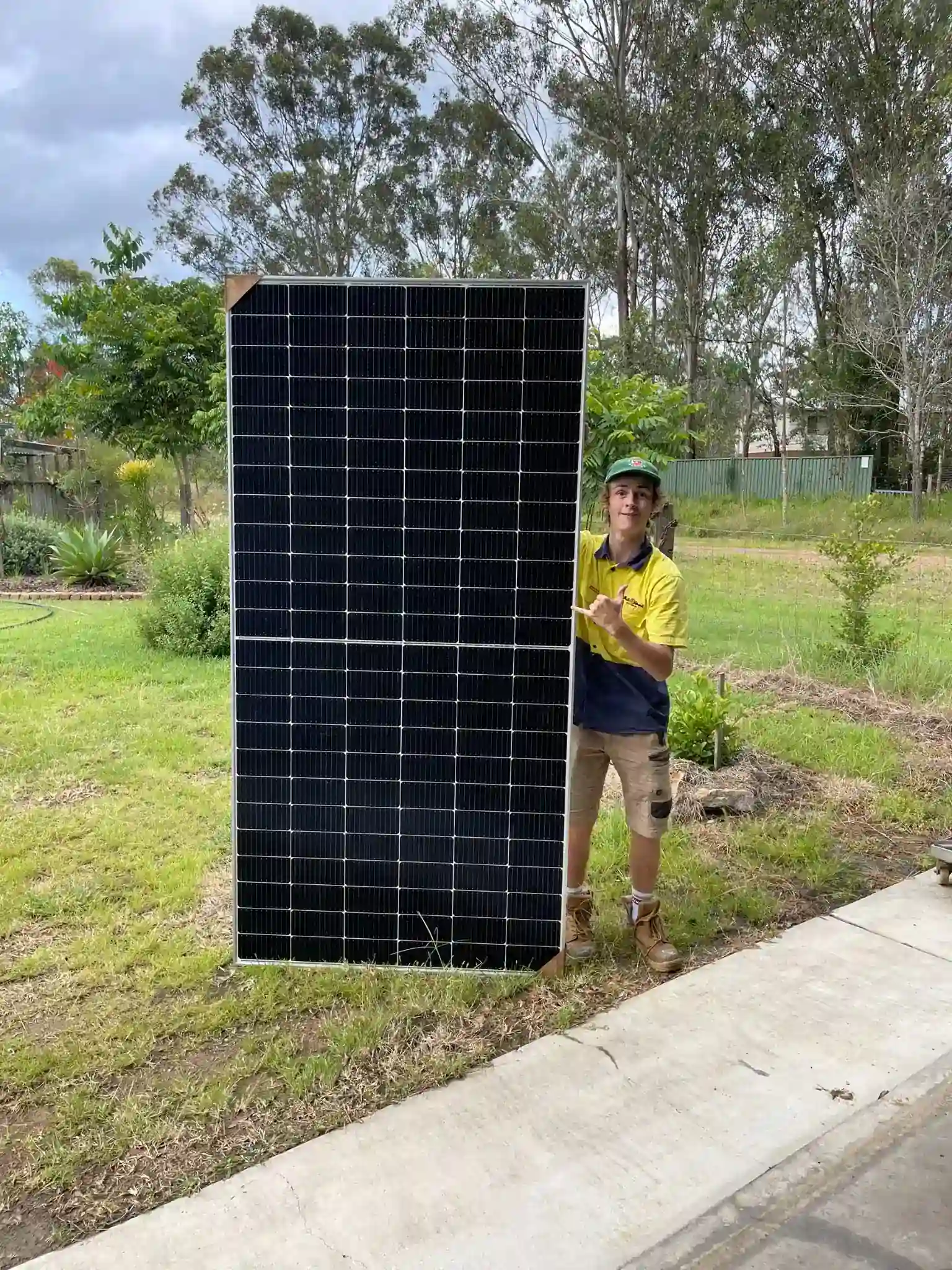
Most standard home solar installs can often be completed within a day, depending on the roof, system size, weather, access and any electrical upgrades needed. More complex homes, switchboard work or battery installations may take longer.
On installation day, our team focuses on:
- safe access and site setup
- neat panel mounting
- careful inverter placement
- tidy cabling
- proper testing and commissioning
- clear handover once the system is ready
We do not treat the finish as an afterthought. Clean cable runs, safe isolation, neat inverter placement and proper testing all matter.
What should happen after installation?
After your system is installed, you should understand how to monitor it, what normal production looks like and when to call for help. Solar is low-maintenance, but it should not be ignored.
A good post-install plan includes:
- checking monitoring regularly
- keeping an eye on sudden drops in output
- booking inspections if performance changes
- arranging cleaning when panels are dirty
- calling a licensed team if there are warning lights, shutdowns or faults
If your panels are dirty, covered in debris or not producing as expected, our solar panel cleaning service can help restore performance safely without risking roof damage or electrical issues.
What if your solar is already not working?
If your solar not working issue has appeared after storms, heavy rain, power outages or recent electrical work, do not start pulling things apart yourself. Solar systems can still carry risk even when they look switched off.
We recommend checking your monitoring app, looking for inverter alerts from ground level and checking whether any obvious breakers have tripped. If the issue is not clear, book a proper inspection. Our team can test the system, find the fault and explain what needs to be repaired or replaced.
Ready to plan solar installation in Ipswich?
A good solar system starts with practical advice, clean installation and proper follow-through. If you are planning solar for your home, adding a battery or dealing with solar not working problems, Bright Spark Group can help you get it sorted.
Ready to plan your install? Speak with the team and we will help you work out the right next step for your home.
FAQs
It depends on your electricity usage, roof space, budget and whether you plan to add a battery. We size systems around real usage, not guesswork.
Most standard rooftop solar installations do not need a full council approval process, but there can be requirements around electrical compliance, network connection and property-specific conditions. We check what applies before the job moves ahead.
It may be a monitoring issue, inverter setting, tripped isolator, shading problem, panel fault or wiring issue. If output drops suddenly or an error appears, it is best to get the system checked properly.
A battery may suit homes that use more power at night, want backup options or want to keep more solar power on site. The right size depends on your usage and goals.
It depends on your roof, nearby trees, dust, birds and weather. If output drops or the panels look dirty from the ground, it may be time to book a clean.