
Energy costs are rising, and power outages seem more common than ever. Many households and rural property owners are searching for a more reliable and independent source of electricity.
Off‑grid solar systems are fast becoming the go‑to solution for those seeking energy freedom and sustainability.
More Australians, whether living on farms, in country homes, or in the suburbs, are now looking at off-grid systems to take control of their energy.
Whether you’re building in a remote area or want to protect your home from grid disruptions, off‑grid solar can offer peace of mind, self‑reliance, and long‑term savings.
If you’re ready to explore options with a certified provider, our expert local team at Bright Spark Group can guide you through the possibilities.
What Exactly Is an Off‑Grid Solar System?
An off‑grid solar system is a solar power setup that operates independently from the public electricity grid. These systems generate and store their own power, ensuring continuous energy even in remote locations or during outages.
They are commonly used for:
- Rural homes or cabins with no access to the grid
- Farming operations in regional areas
- Tiny homes and eco‑builds
- Off‑grid sheds and workshops
With an off‑grid system, all your energy needs are met on‑site. That means no monthly electricity bills or worries about grid failures.
It also means taking full control over how you generate, store, and use your power.
How Does an Off‑Grid Solar System Actually Work?
Understanding how off‑grid solar works helps you plan your energy usage and system design.
Here’s a simple breakdown of how the process functions:
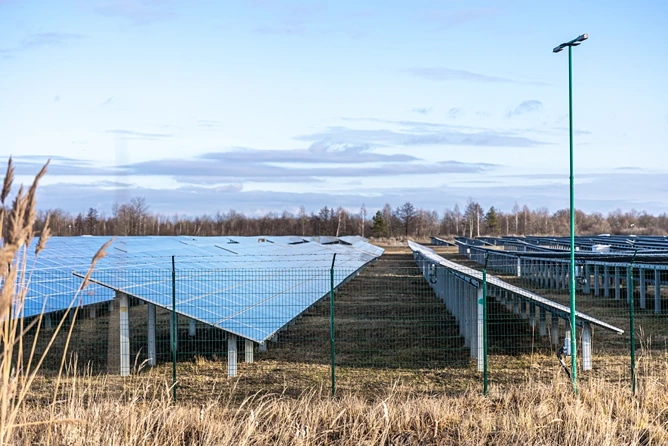
- Solar Panels: Capture energy from the sun and convert it into electricity during the day.
- Charge Controller: Regulates the amount of electricity going into the solar battery storage to prevent overcharging or damage.
- Solar Battery Storage: Stores the electricity for use at night or on overcast days when the panels aren’t producing energy.
- Inverter: Converts the stored DC electricity into AC electricity, which powers standard home appliances and devices.
The entire process is automatic and smooth. Once installed, your system runs on its own, day and night. With the right battery size and proper maintenance, you’ll have a constant, reliable power source no matter the weather or time of year.
According to the Australian Renewable Energy Agency, off-grid energy technologies with battery and smart systems are now combining solar, battery storage and smart energy applications to deliver reliable power in remote locations.
Off‑Grid or On‑Grid? Let’s Help You Choose the Right Solar Path
Choosing between an off‑grid or on‑grid solar system depends on your property, lifestyle, and energy goals. Here’s how they compare:
Off‑Grid Solar:
- Not connected to the electricity grid
- Requires solar battery storage
- Independent from power outages or blackouts
- Ideal for rural, remote, or self‑sufficient living
On‑Grid Solar:
- Connected to the electricity grid
- May not need battery storage (though many now include it)
- Can export unused power to the grid for credits
- Dependent on the grid for backup
If you’re looking to live sustainably, want full control over your energy use, or are located in an area without grid access, off‑grid is a reliable solution.
Our team at Bright Spark Group can help assess your site and energy goals to see if this path is the best option for you. For more detail, we also have a helpful comparison of off‑grid vs on‑grid solar systems.
It’s worth knowing that government support such as the Cheaper Home Batteries Program helps reduce the cost of battery storage, bringing system affordability into sharper focus.
Here’s What Makes Up a Great Off‑Grid Solar Setup
Each off‑grid solar system includes several important components. These work together to ensure your home or business has continuous access to clean electricity.
- Solar Panels: These are the primary power source, collecting energy from the sun.
- Charge Controller: Protects your batteries and regulates the flow of electricity.
- Battery Bank: Stores solar energy for later use. Modern batteries are compact and long‑lasting.
- Inverter: Converts stored DC power into AC power, suitable for household appliances.
- Backup Generator: Optional but useful during long periods of low sunlight. Adds an extra layer of reliability.
- System Monitoring Tools: Allow you to track energy production, usage, and storage levels in real‑time.
Proper planning and design ensure your system is balanced, safe, and efficient. At Bright Spark Group, we take the time to size your system correctly and select the right components for your energy needs.
Wondering What the Real Benefits of Off‑Grid Living Are?
Going off‑grid can provide many lasting benefits, particularly for those living in areas with unstable electricity or limited grid access:
- Energy Independence: Generate your own power and avoid reliance on energy retailers.
- Reliable Supply: Keep your lights on even during storms, outages, or bushfire disruptions.
- Eco‑Friendly: Reduce your carbon footprint by using 100 percent renewable energy.
- Long‑Term Cost Savings: No electricity bills or grid connection fees.
- Property Value: An off‑grid system can boost the value of rural or sustainable properties.
- Customisation: Tailor your system to suit your daily usage and lifestyle.
Many homeowners also report a greater awareness of their energy use, which often leads to smarter choices and lower consumption.
With our expertise at Bright Spark Group, you’ll be guided through all these benefits and how to make them work for you.
Key Questions to Ask Before You Install an Off‑Grid Solar System
Before you install an off‑grid solar system, it’s important to plan carefully. Here are a few factors to keep in mind:
- Your Energy Usage: Review your power needs by checking how much electricity you use daily and seasonally.
- Battery Storage Capacity: Ensure you have enough batteries to cover nighttime use and several days of cloudy weather.
- Appliance Efficiency: Switch to energy‑saving appliances to reduce your system size and increase performance.
- System Location: Make sure your property gets plenty of sun and your panels are placed correctly.
- Budget: Understand the upfront cost versus long‑term savings.
- Maintenance Needs: Keep your system clean, inspected, and serviced regularly to maintain peak performance.
Working with an experienced team ensures your system is professionally installed and maintained. That’s why, if you’re ready to move forward, you can always schedule a consultation with Bright Spark Group.
Ready to Power Your Property with Off‑Grid Solar?
Installing an off‑grid solar system is a big decision, but it can be one of the most rewarding investments you make. With full control over your power, long‑term savings, and environmental benefits, going off‑grid offers a smarter way to live and work.
At Bright Spark Group, we offer personalised advice and trusted installations across South East Queensland. Our team will help you assess your energy needs and design a system that fits your property and budget.
Reserve your service to keep your property safe and efficient. When you’re ready to take the next step, you can reach out via our speak with our solar experts to connect directly with our friendly and professional team.
FAQs: Off‑Grid Solar Systems: Everything You Need to Know
Yes, with the right design and battery storage, you can power your entire home. Bright Spark Group helps tailor systems to fit your needs.
Battery lifespan depends on usage and type. Most last for many years with proper care. We help you choose and maintain quality battery systems.
Yes, solar battery storage stores extra power for use during cloudy weather. Bright Spark Group ensures your system is sized correctly for your location.
Initial costs can be higher, but long‑term savings and energy independence often outweigh them. We provide clear, upfront quotes with no surprises.
Yes, off‑grid systems can grow with your needs. Bright Spark Group designs flexible systems for future expansion.
A backup generator or smart energy planning can help. We design systems to reduce this risk and provide backup options.
It depends on your goals. Some urban homeowners choose off‑grid for independence or sustainability. We help assess what’s right for you.